Trinkwasser, unser Lebenselixier – warum ein Entsalzer an Bord so wichtig ist
Wie viel Wasser brauchst du eigentlich, um zu überleben?
Klingt simpel – bis du anfängst zu rechnen.
Unser Körper besteht zu rund zwei Dritteln aus Wasser. Unter normalen Bedingungen reichen etwa zwei Liter am Tag. Aber was passiert, wenn du mit zwölf Menschen auf einem Forschungskatamaran unterwegs bist – fernab von Häfen, Flüssen, Zivilisation?
Dann wird aus einer einfachen Rechnung plötzlich Realität.
- 12 Personen × 2 Liter Trinkwasser = 24 Liter täglich
- Dazu kommen Zähneputzen, eine schnelle Katzenwäsche, ein bisschen Hygiene: nochmal rund 12 Liter.
- Kochen? Weitere 4 Liter.
Macht: etwa 40 Liter pro Tag. Auf einen Monat gerechnet: 1.200 Liter.
Wo kommen 1,2 Kubikmeter Wasser her?
Mitten im Pazifik. Auf einem Atoll. Ohne Versorgung.
Lange Zeit dachten wir: Ein Entsalzer? Viel zu teuer. Schnell anfällig. Hohe Anschaffungskosten.
Wir haben gerechnet. Kanister eingeplant. Stauraum organisiert. Du siehst dich selbst im Bootsbauch hocken, Kanister verschieben, Deckel aufdrehen, umfüllen – immer mit einem Gedanken im Hinterkopf:
Reicht das noch?
Und dann triffst du jemanden, der dieses Problem nicht theoretisch kennt – sondern erlebt hat.
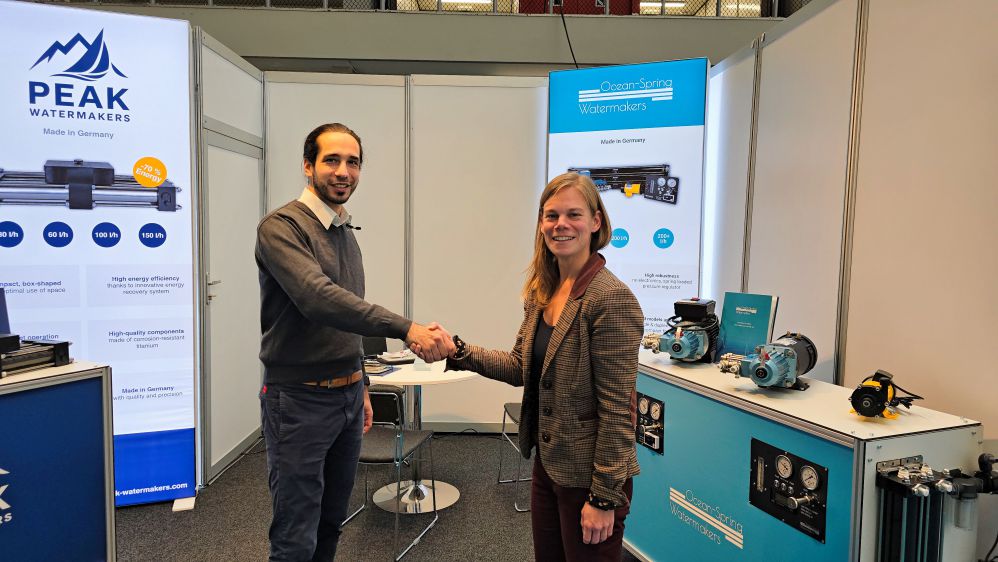
Julian Schlichtenmayer.
Segler. Maschinenbauingenieur. Gründer von Ocean-Spring Watermakers.
Einer, der auf seinen trans-ozeanischen Reisen immer wieder genau das erlebt hat: Anlagen, die ausfallen. Systeme, die nerven. Technik, die dich im falschen Moment im Stich lässt.
„So etwas baue ich nicht mehr ein – das ziehe ich richtig durch!“, bringt es der 37-Jährige auf den Punkt.
Und genau daraus entstehen seine Watermaker.
Was diese Anlagen ausmacht, spürst du nicht sofort. Du merkst es später.
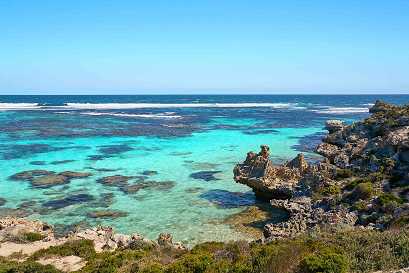
Wenn du den Anker in einer flachen Bucht fallen lässt, idyllische Sandstrände um dich herum, kein Hafen weit und breit – und du nicht mehr rechnest.
Die Technik dahinter ist klar strukturiert:
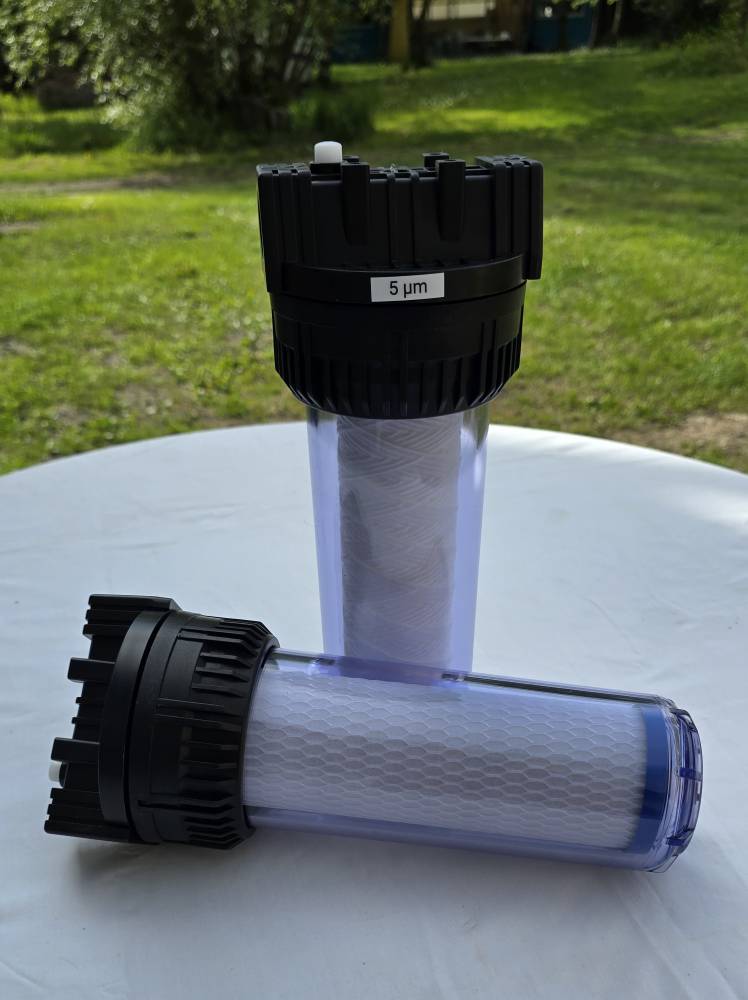
Seewasser wird angesaugt und durch mehrere Vorfilter gereinigt
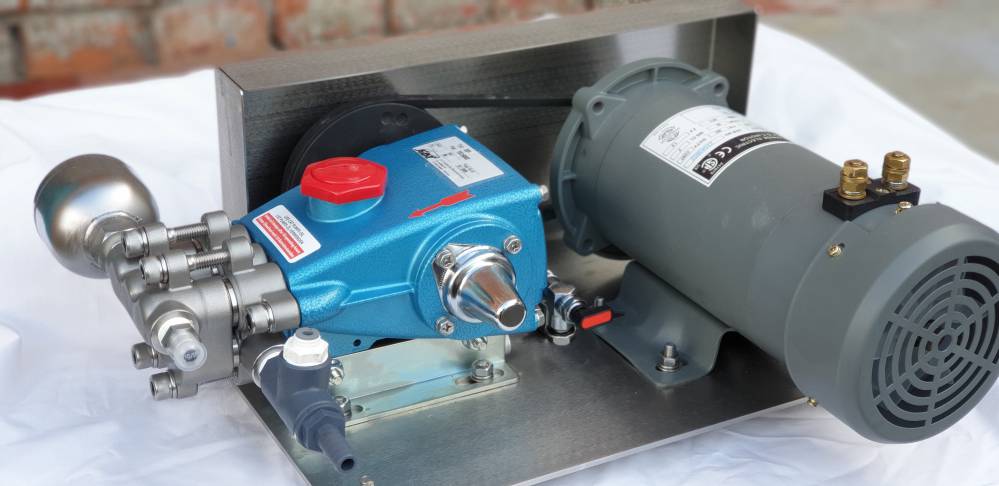
Eine Hochdruckpumpe baut rund 60 bar Druck auf
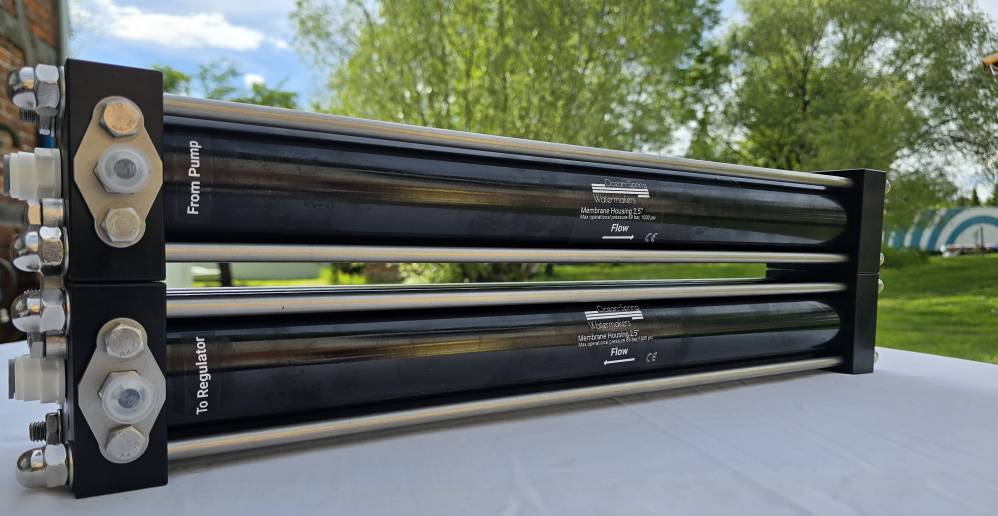
Das Wasser wird durch Membranen gepresst
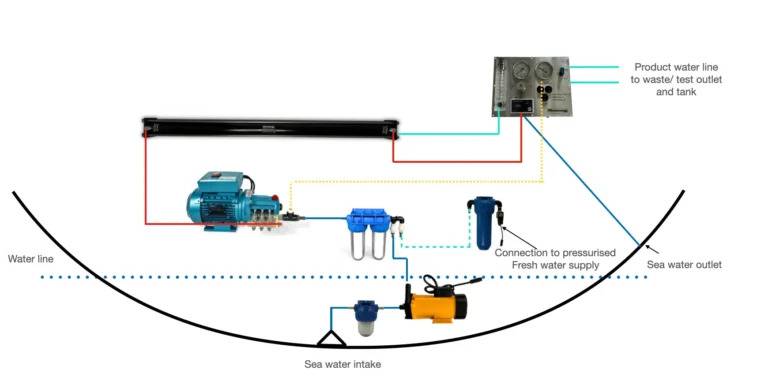
Salz und Wasser trennen sich – im Tank landet sauberes Trinkwasser
Klingt technisch. Ist es auch.
Aber draußen fühlt es sich anders an.
Wie Sicherheit.
Wie Freiheit.
Wie die Gewissheit, bleiben zu können.
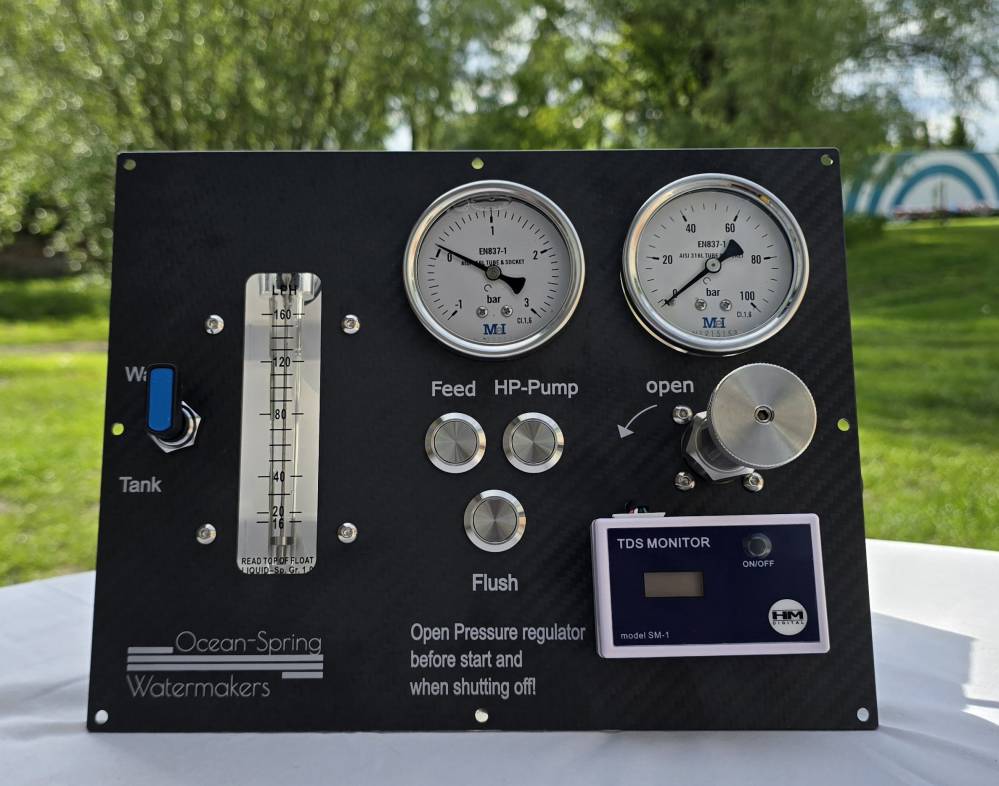
Gerade weil Seewasser aggressiv ist und Materialien angreift, zählt jedes Detail.
Deshalb setzt Ocean Spring Watermakers auf hochwertige, seewasserbeständige Komponenten – von der Hochdruckpumpe bis zur Membran. Robust, durchdacht, wartungsarm.
Und genau das war für uns entscheidend.
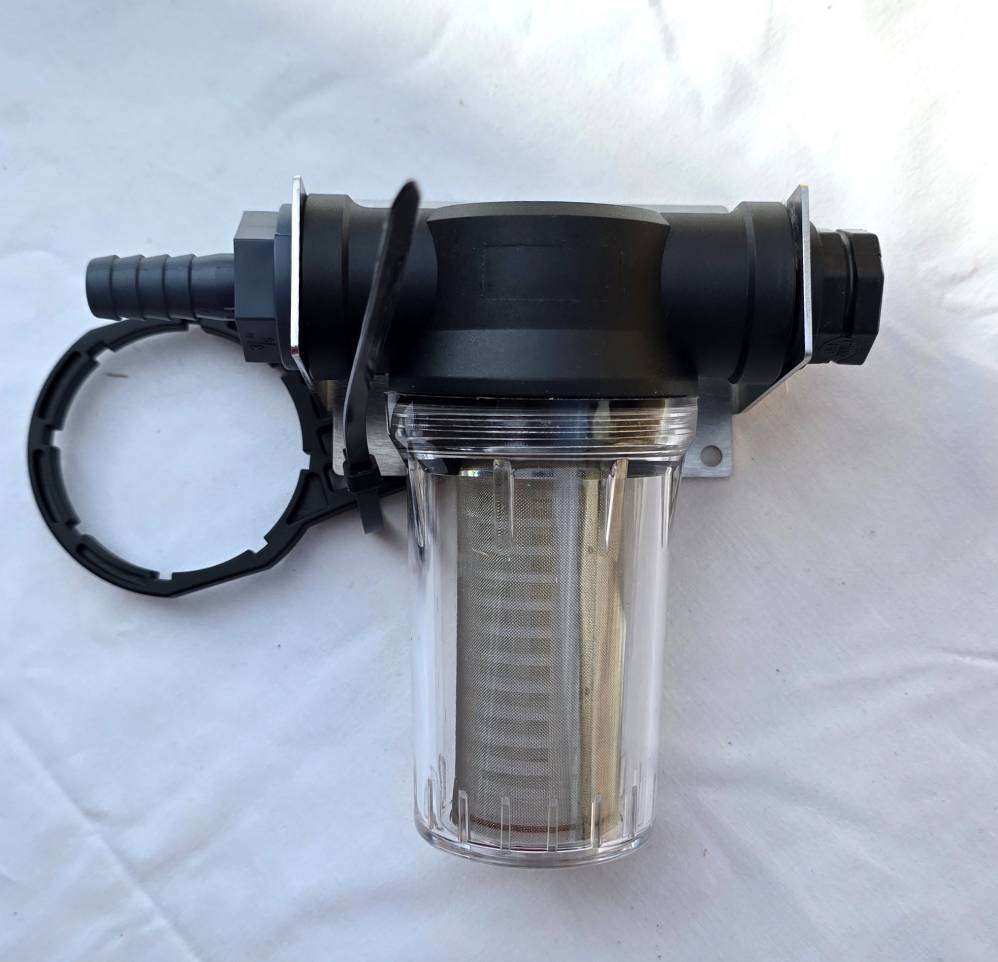
Wir haben begrenzte Energie an Bord. Also fiel unsere Wahl auf eine kompakte Anlage: den Watermaker DC60.
60 Liter pro Stunde – effizient, zuverlässig, passend zu unserem Setup.
Die Hochdruckpumpe kommt von Cat pumps® Deutschland. Ein Bauteil, das unter Druck einfach liefert.
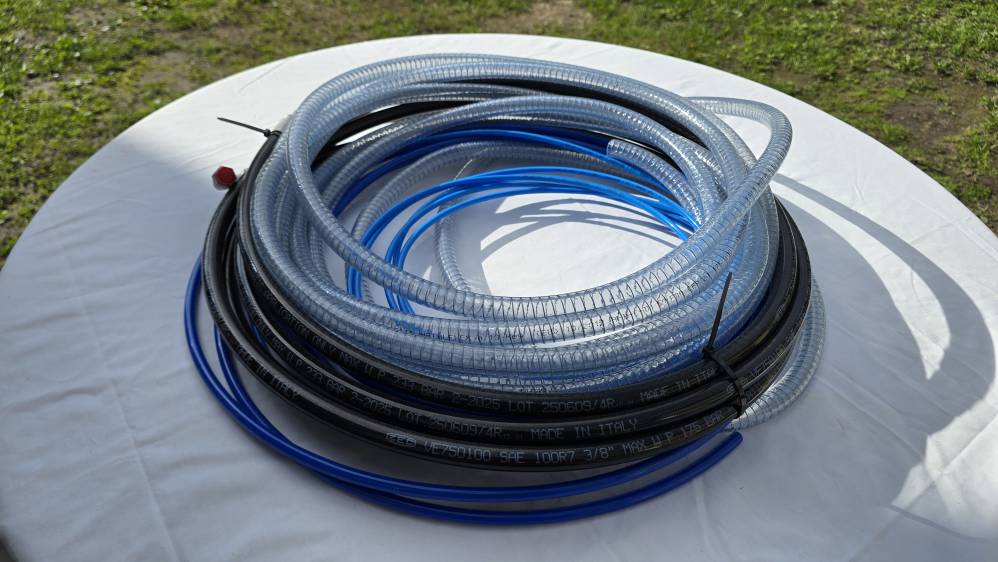
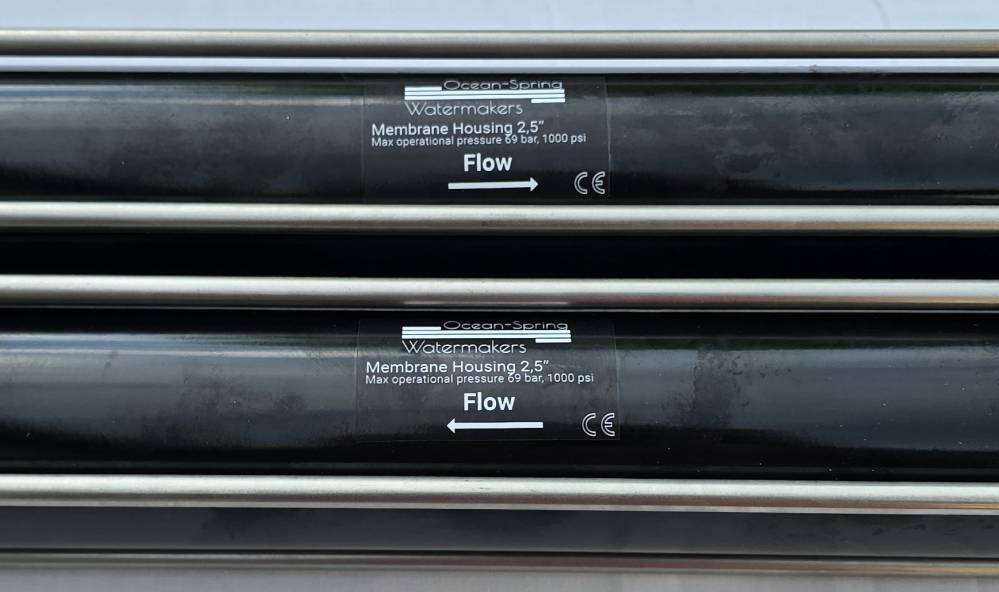
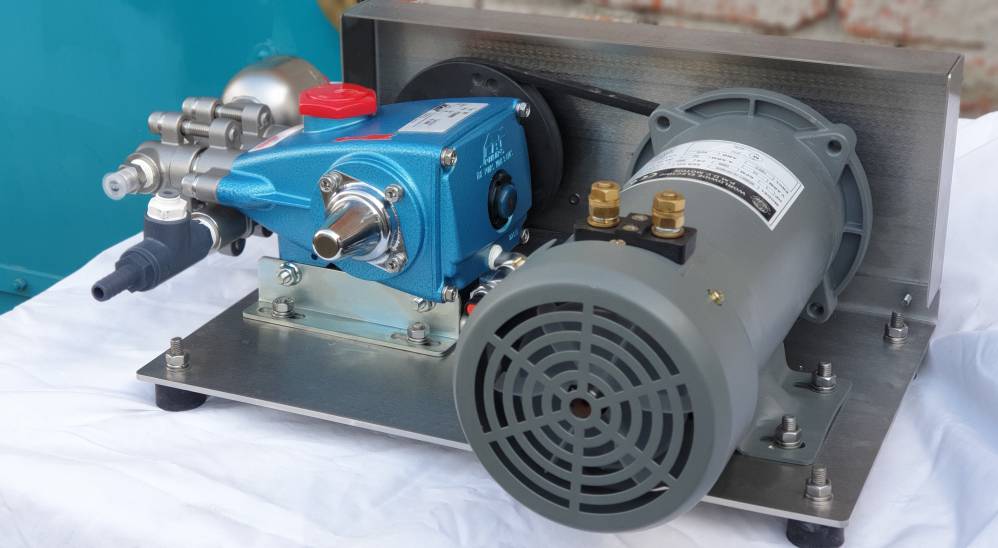
Was uns aber wirklich überzeugt hat, ist mehr als Technik.
Es ist die Haltung dahinter.
„Meine Mission ist es, Seglern hochwertige und verlässliche Watermaker zu fairen Preisen anzubieten – damit Unabhängigkeit auf See kein Luxus bleibt. Und langfristig möchte ich dieses Know-how nutzen, um auch Menschen in wasserarmen Regionen Zugang zu sauberem Trinkwasser zu ermöglichen.“
Das trifft genau das, wofür wir stehen.
Wir bringen dieses Wissen weiter – in unsere Projekte zur Trinkwasseraufbereitung. Dort, wo Städte und Dörfer am Meer oder an Flüssen liegen, arbeiten wir daran, sauberes Trinkwasser zugänglich zu machen und autarke Lösungen zur Wassergenerierung zu schaffen.
Heute heißt das für uns:
Wir kommen an, lassen den Anker fallen und können bleiben. Aber wir müssen nicht mehr ständig rechnen. Wir sind unabhängig.
Und genau deshalb ist Julian heute nicht nur Teil unserer Expedition, sondern auch Partner und Berater für Trinkwasseraufbereitung innerhalb unserer FYD-Hilfsprojekte – dort, wo sauberes Wasser weit mehr ist als Komfort.
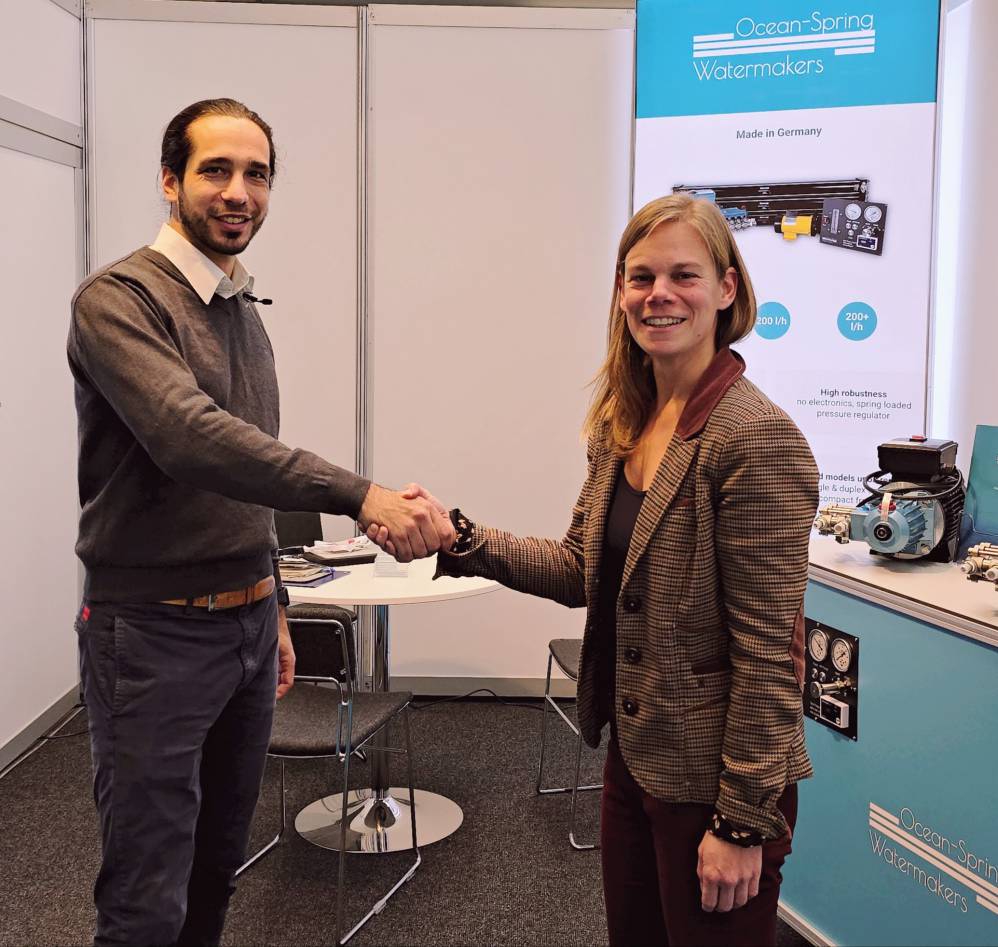
Julian – danke dir. Für dein Vertrauen. Für deine Technik. Und dafür, dass wir gemeinsam in die gleiche Richtung gehen.
👉 Mehr zu Ocean Spring Watermakers:

- Décembre 2020
- Novembre 2020
- Vendredi 23
- Lundi 17
- Vendredi 23
- Lundi 17
- Vendredi 23
- Décembre 2019
- Novembre 2020